
Mountain · Jiangxi
Lushan National Park
Mount Lushan, in Jiujiang City, Jiangxi Province.
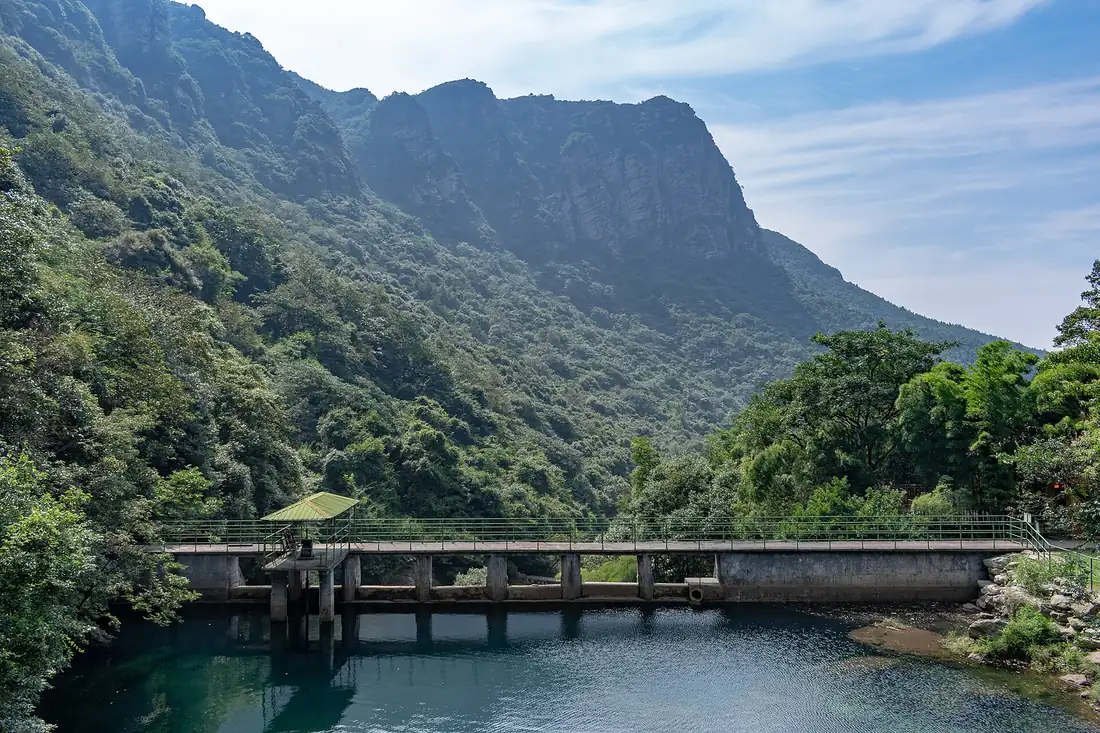
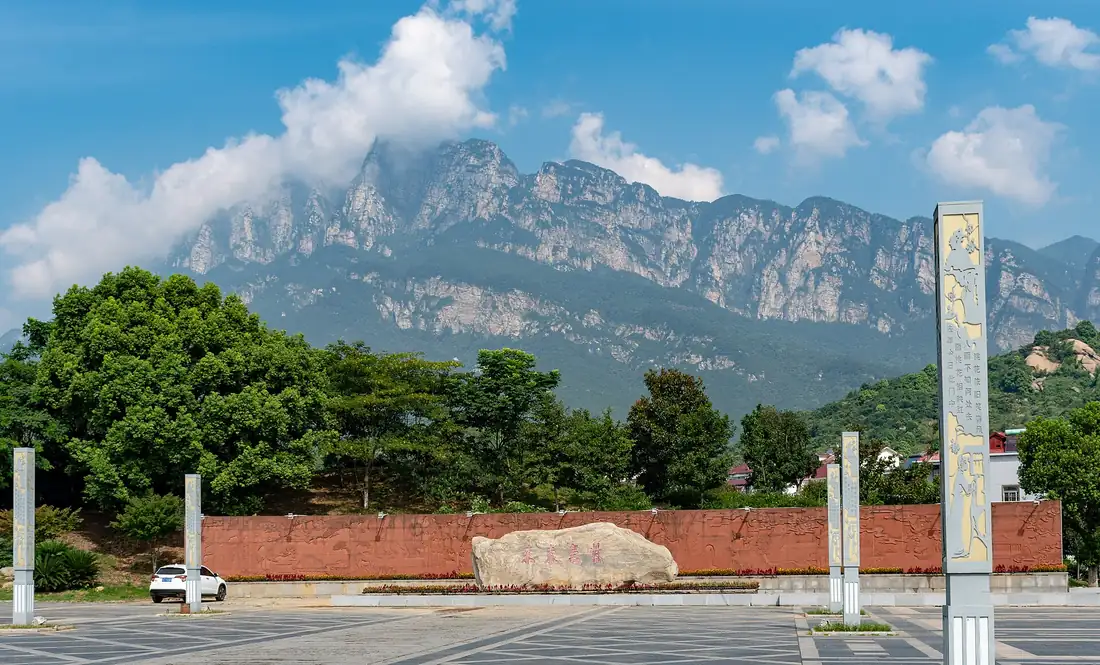
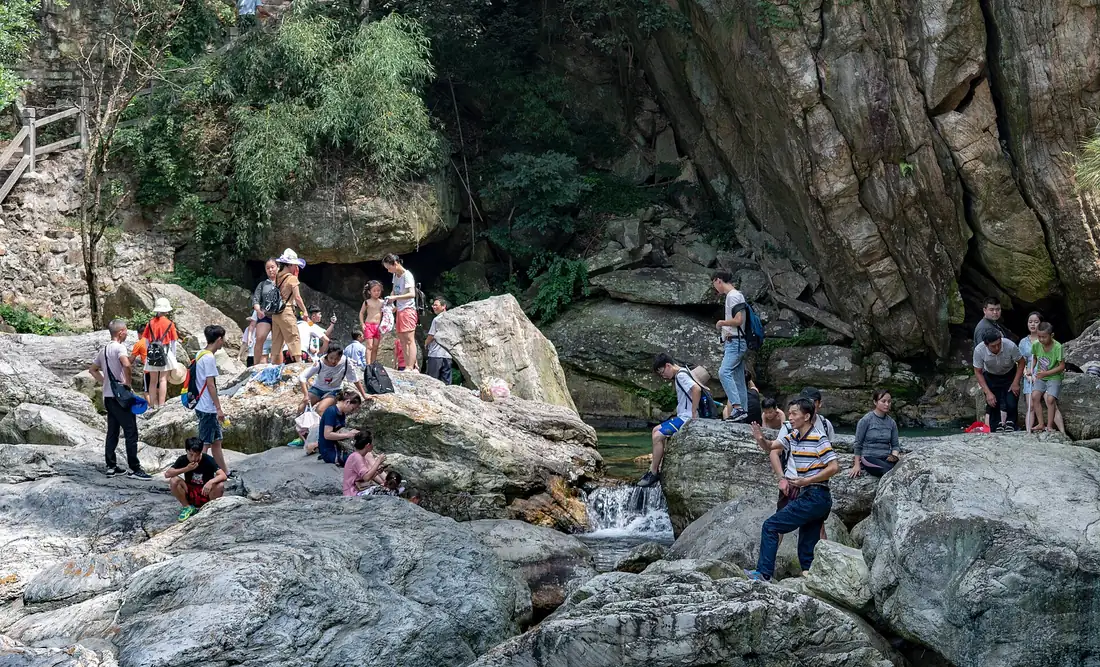
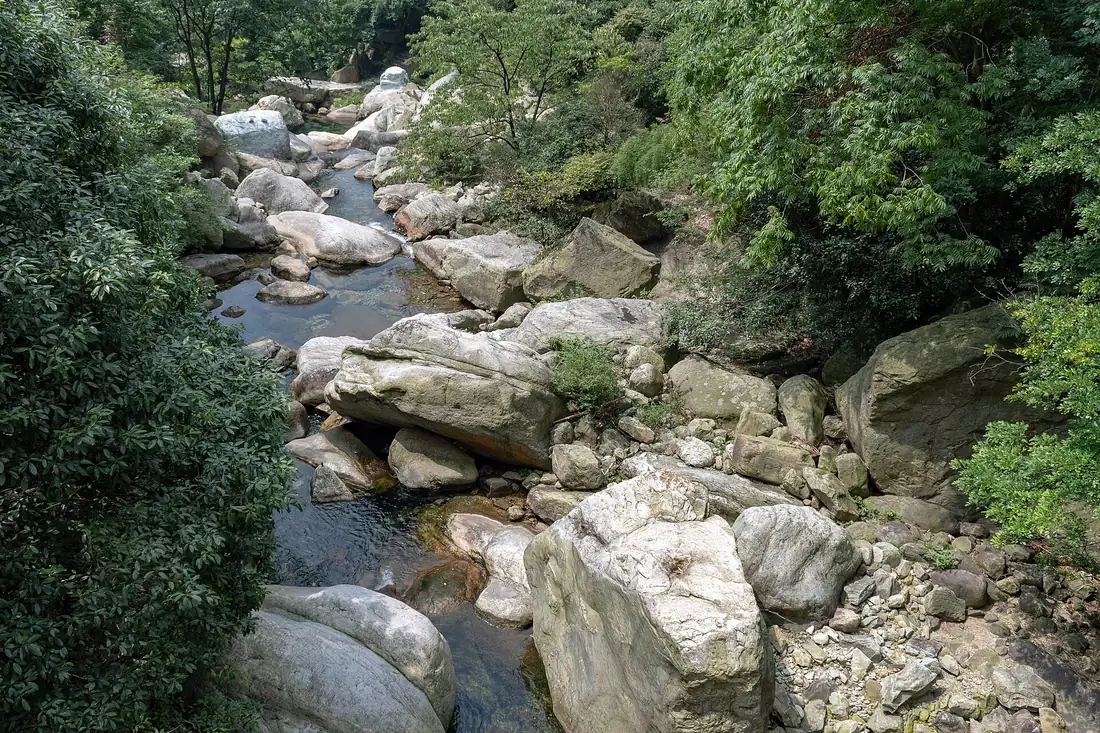
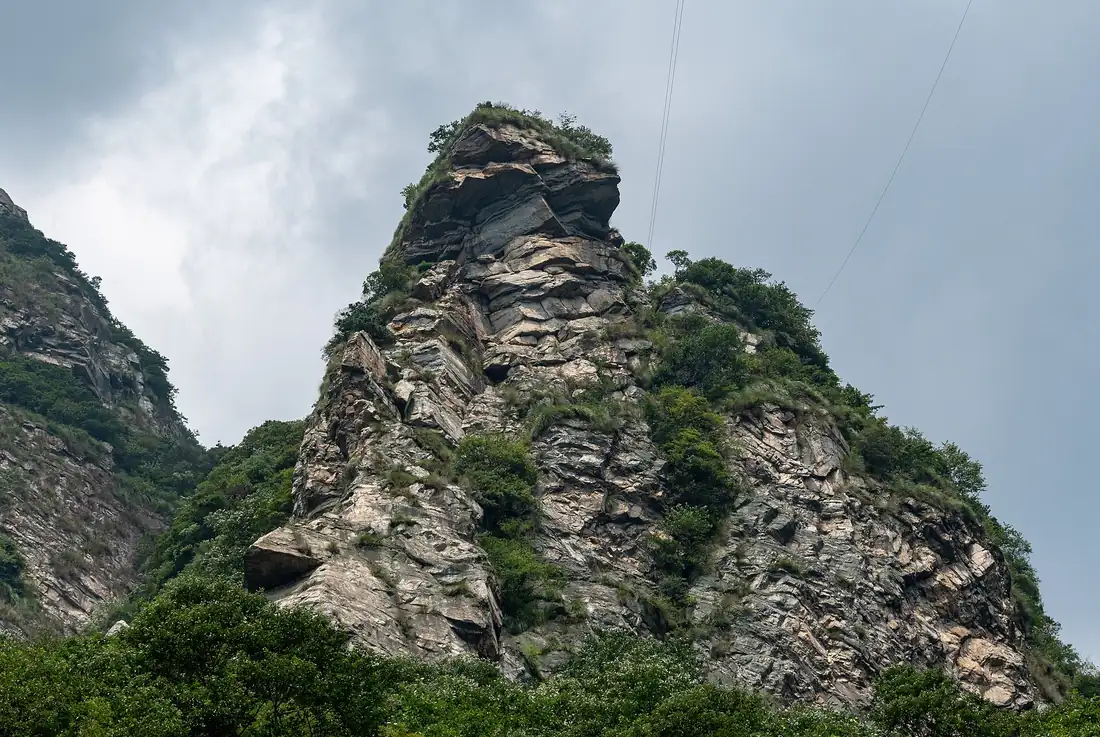
Photo credits
- “16141-Lushan (46723483442)” by xiquinhosilva, CC BY 2.0. Source
- “16112-Lushan (46776300001)” by xiquinhosilva, CC BY 2.0. Source
- “16150-Lushan (46723487322)” by xiquinhosilva, CC BY 2.0. Source
- “16157-Lushan (46723485282)” by xiquinhosilva, CC BY 2.0. Source
- “16181-Lushan (45861263185)” by xiquinhosilva, CC BY 2.0. Source
Resized and cropped for the web.
Overview
Mount Lushan is located in Jiujiang City, Jiangxi Province. The property area of Lushan National Park occupies a total area of 30,200 hectaresand its highest Peak, Hanyang Peak, is 1,474 meters above sea level. Bordered on the north by the Yangtze River and on the south by Poyang Lake, Mount Lushan presents an integral scene of river, hills and lake, the beauty of which has attracted spiritual leaders, scholars, artists and writers for over 2,000 years. More than 200 historic buildings are located in the Lushan National Park; complexes of prayer halls that have been rebuilt and extended many times to create an ongoing centre for study and religion. These include the Buddhist East Grove Temple complex begun by Huiyuan in 386 CE; the West Grove Pagoda begun around 730 CE; the Temple of Simplicity and Tranquility built during the Tang dynasty as the repository of Taoist scriptures, and the White Deer Cave Academy originally established in 940 CE and revived in the late 12th century during the Song dynasty when Zhu Xi instigated the spread of Confucius’ political and ethical teaching. This complex continued to be extended up to the 19th century to include many temples, study halls and libraries. Other important features include the stone single-span Guan Ying Bridge of 1,015 CE and more than 900 inscriptions on cliffs and stone tablets. In addition there are around 600 villas built by Chinese and foreign visitors in the late 19th and 20th centuries, when the area became a popular resort and was, during the 1930s and 40s the official Summer Capital of the Republic of China. The villas reflect various architectural fashions and are laid out within the landscape in accordance with Western planning concepts prevalent at the time.
Sources
- Lushan National Park, UNESCO World Heritage Centre (text CC BY-SA IGO 3.0)
Last reviewed 29 September 2026
Plan your visit
Lushan National Park
Review the details, then compare the journeys that include this place.
Ask about Lushan National ParkJourneys in Lushan National Park
No set journey goes here yet.
Tell us your dates, who is travelling and what you want to see, and our team will plan a trip to Lushan National Park around you.
Plan your time in Lushan National Park.
Tell us your dates, who is travelling and what you want to see, and we will help you choose the right journey.